Taking the camera into the field
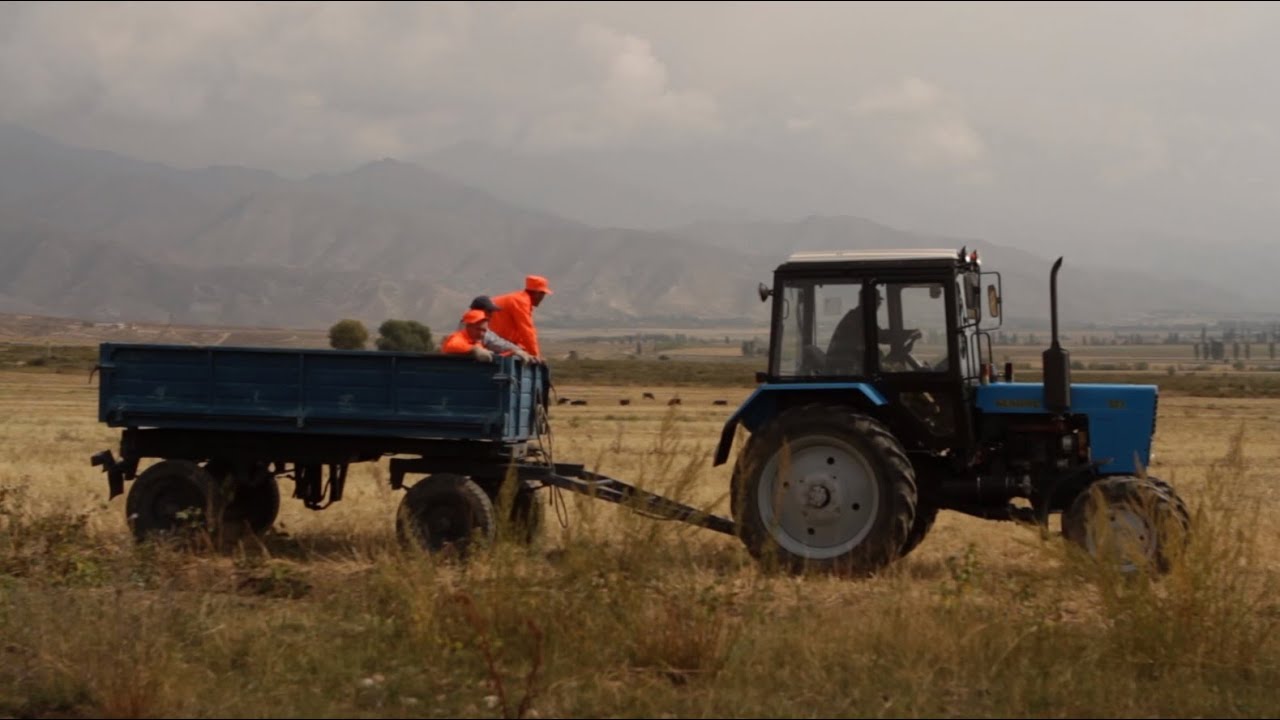
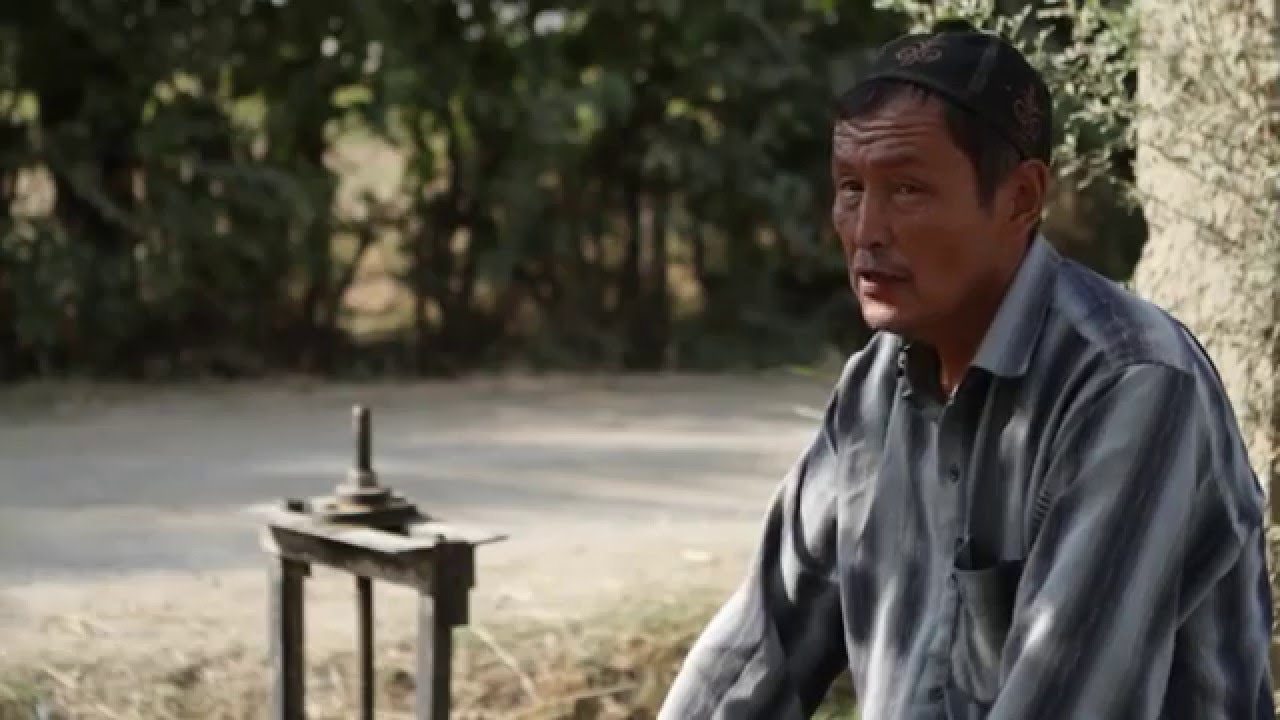
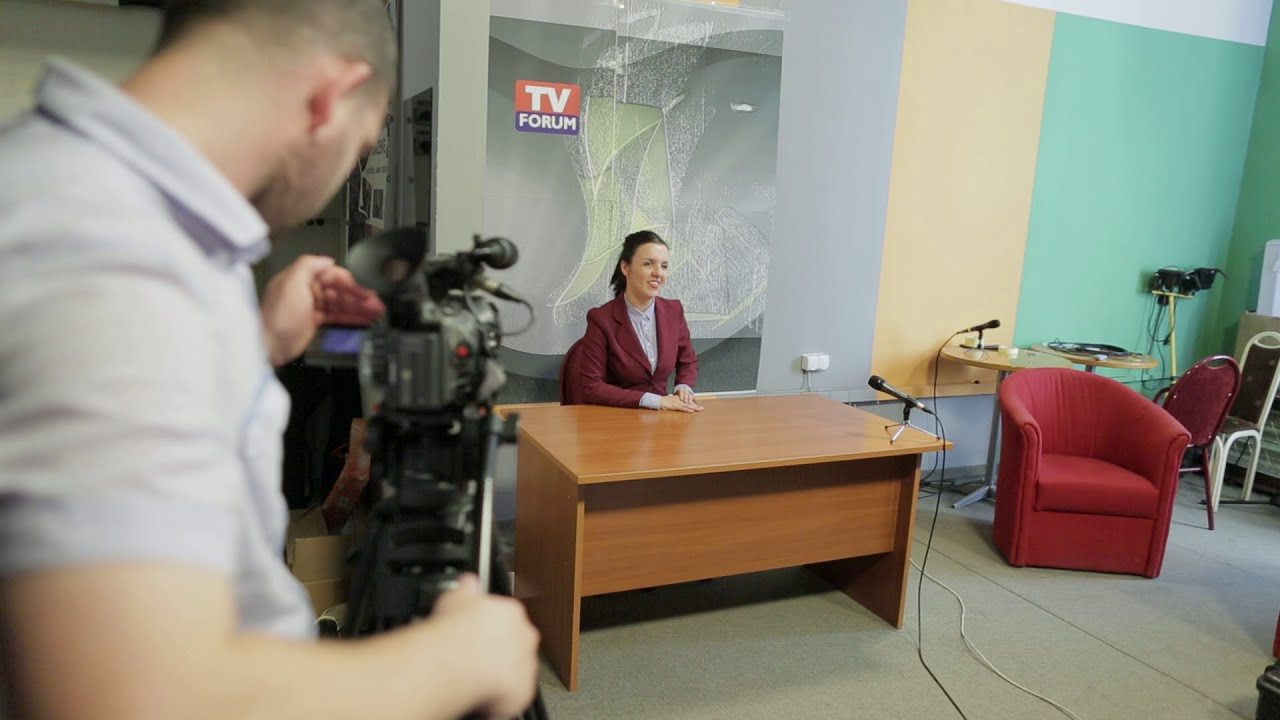
I pitched and ran an extra-budgetary project built around short films that would work on social media. There were two sets: I filmed the Kyrgyzstan stories on a solo assignment. For the Serbia follow-up, I worked with an external filming provider.
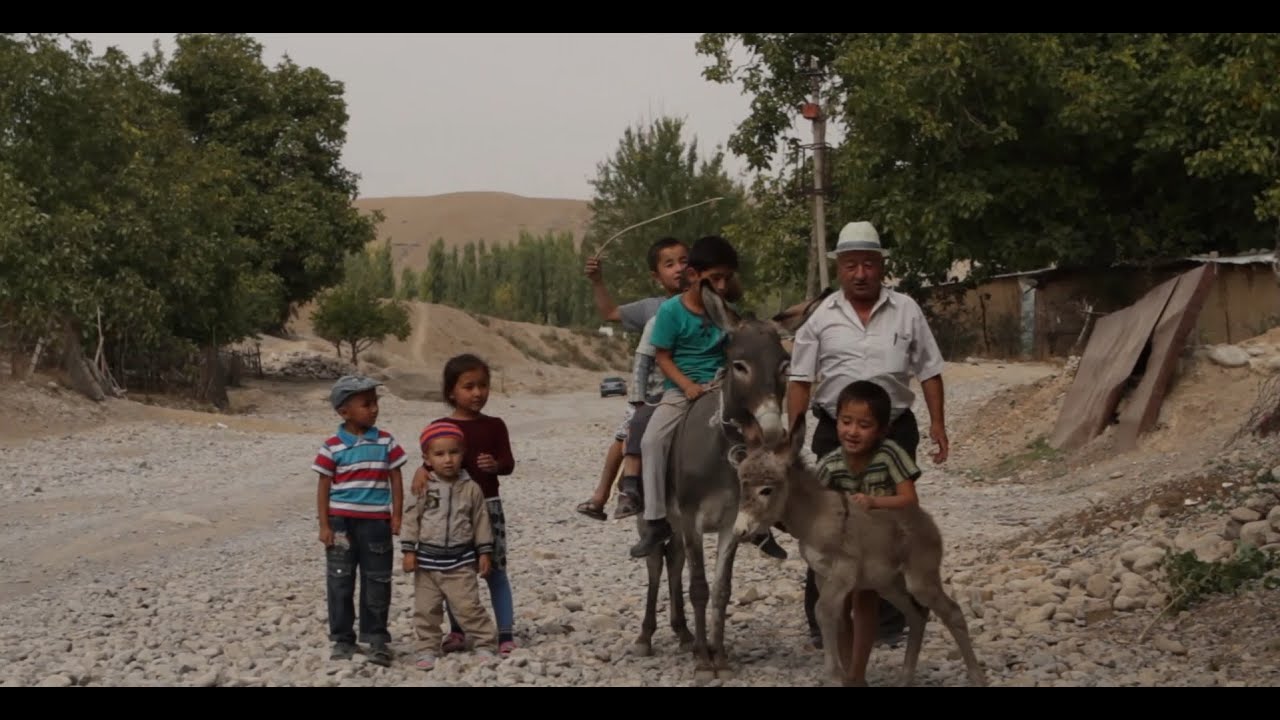
The subjects were chosen with locally based colleagues and management. In Kyrgyzstan that meant stories about water, mediation, rehabilitation and early marriage: different ways of making the organisation’s work understandable through people’s experiences.
From interviews to finished films
I wrote the scripts and produced English and local-language versions. I edited parts myself and worked with my interns to get the collection completed. There was practical production work throughout, as well as the job of keeping each story clear and manageable.
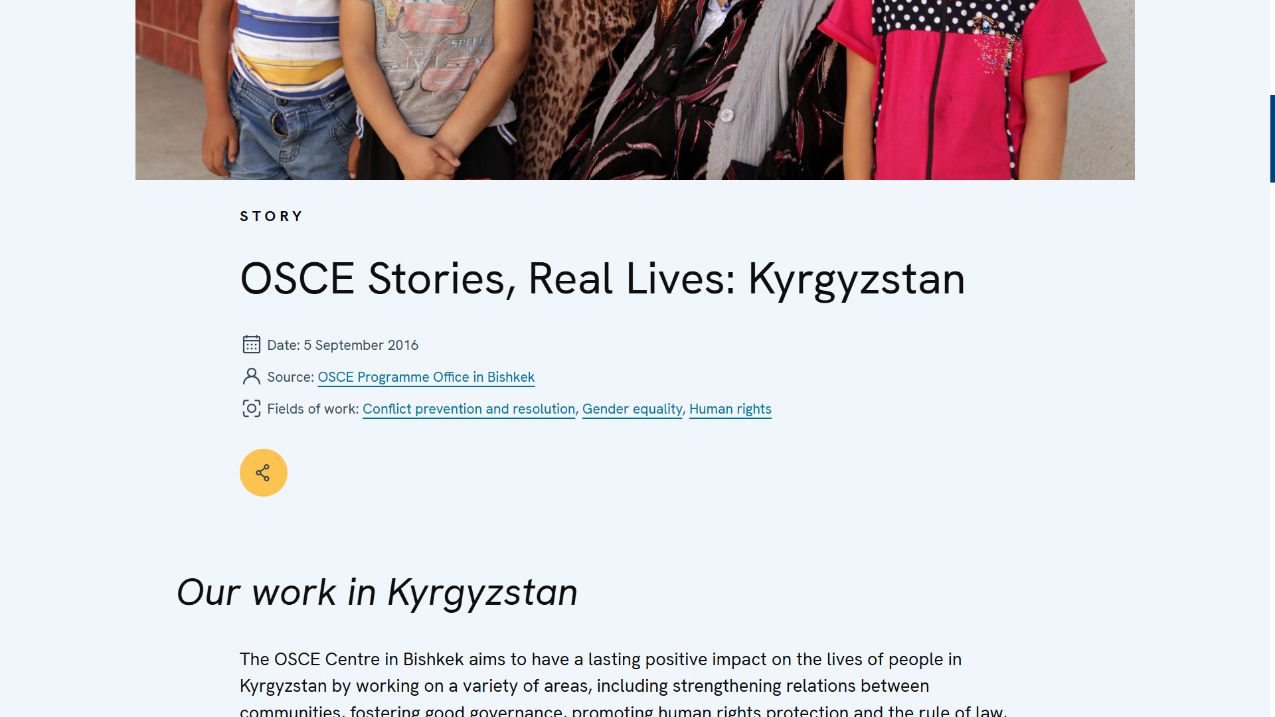
The four-video OSCE collection was published in September 2016, and identifies the filming year as 2014.
Other work in Kyrgyzstan
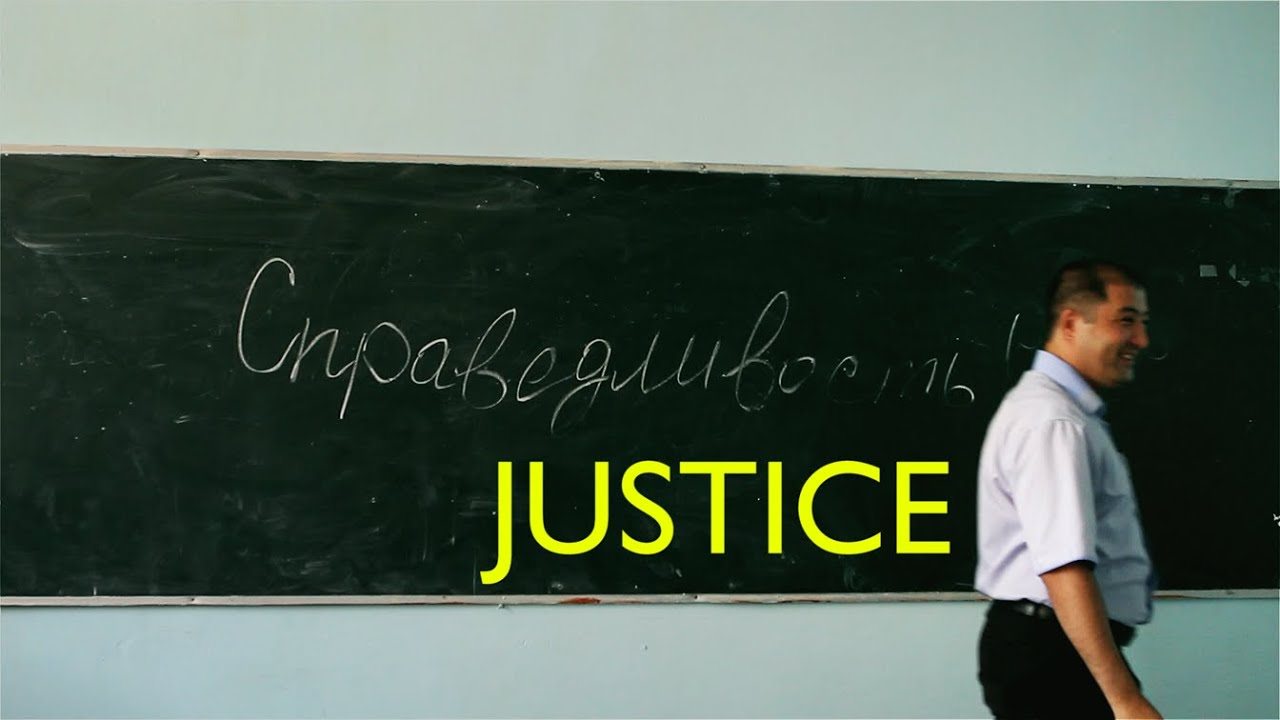
On a separate project, I embedded with the Community Security Initiative and followed its work for a documentary which I filmed, scripted and edited. I also filmed a short documentary about Spravedlivost, an NGO in Jalal-Abad. Those projects are linked below alongside the short-film series.
Two award winners, two production approaches
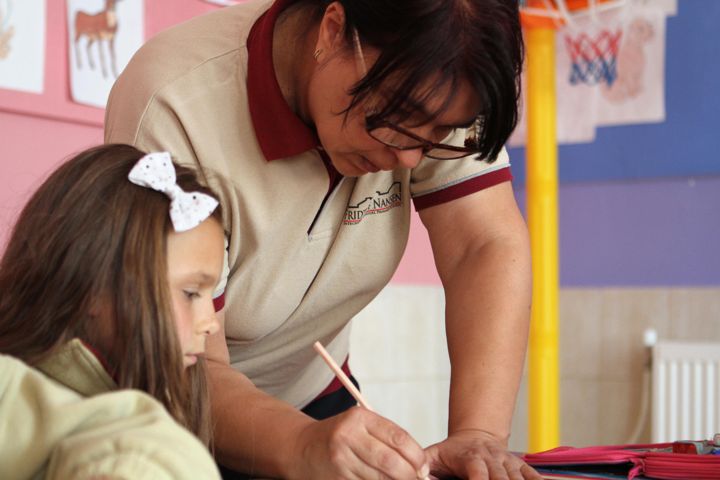
For the OSCE High Commissioner on National Minorities (HCNM), I worked on films about two Max van der Stoel Award winners: Nansen Dialogue Centre Skopje in 2011 and Spravedlivost in 2014. I produced the Nansen film with an external production company; for Spravedlivost, I filmed and edited the documentary myself.
Following up in Serbia
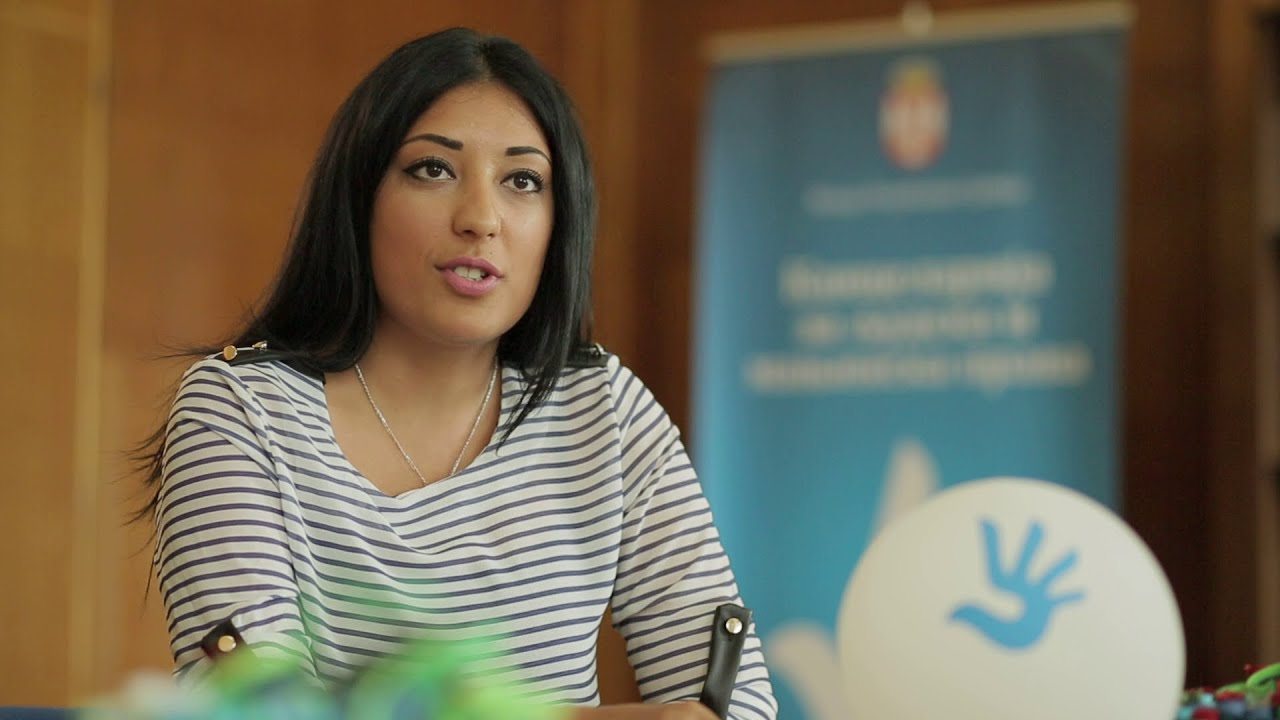
The next set of stories used the same idea in a different setting. I ran the project, but the Serbia films were shot by an external provider. That distinction matters: my contribution was the project and editorial work, rather than being behind the camera on that assignment.
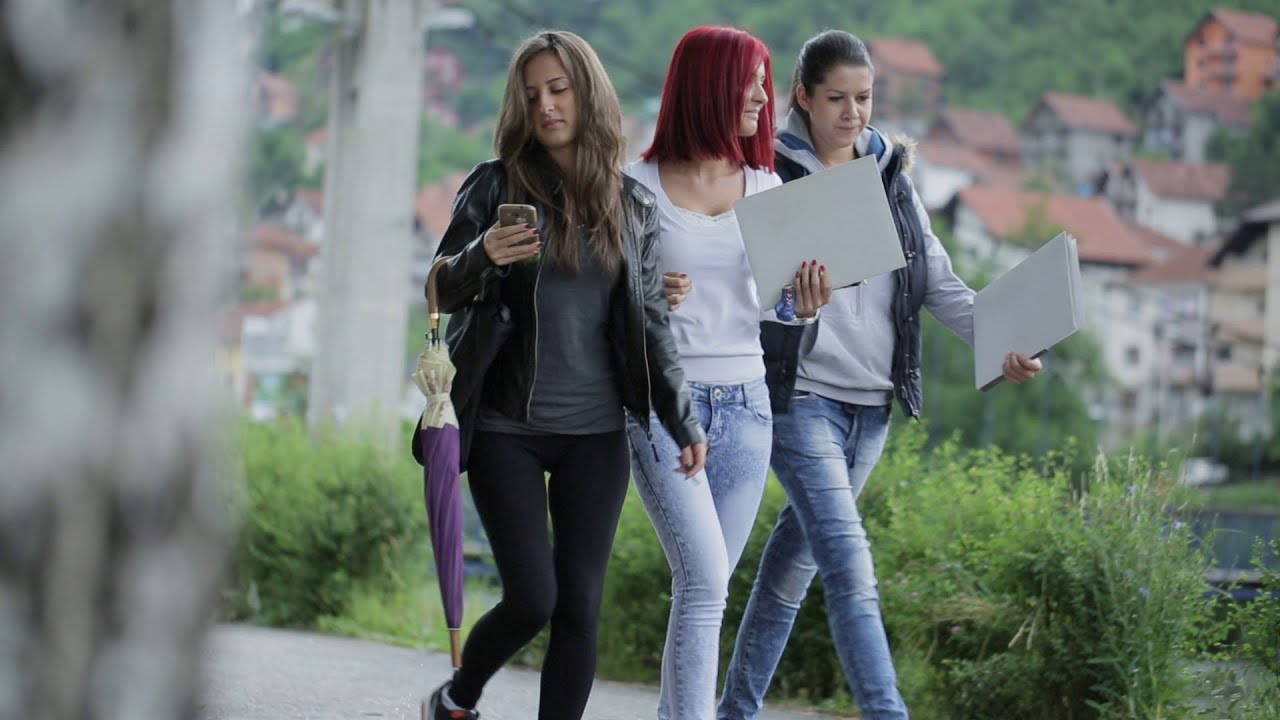
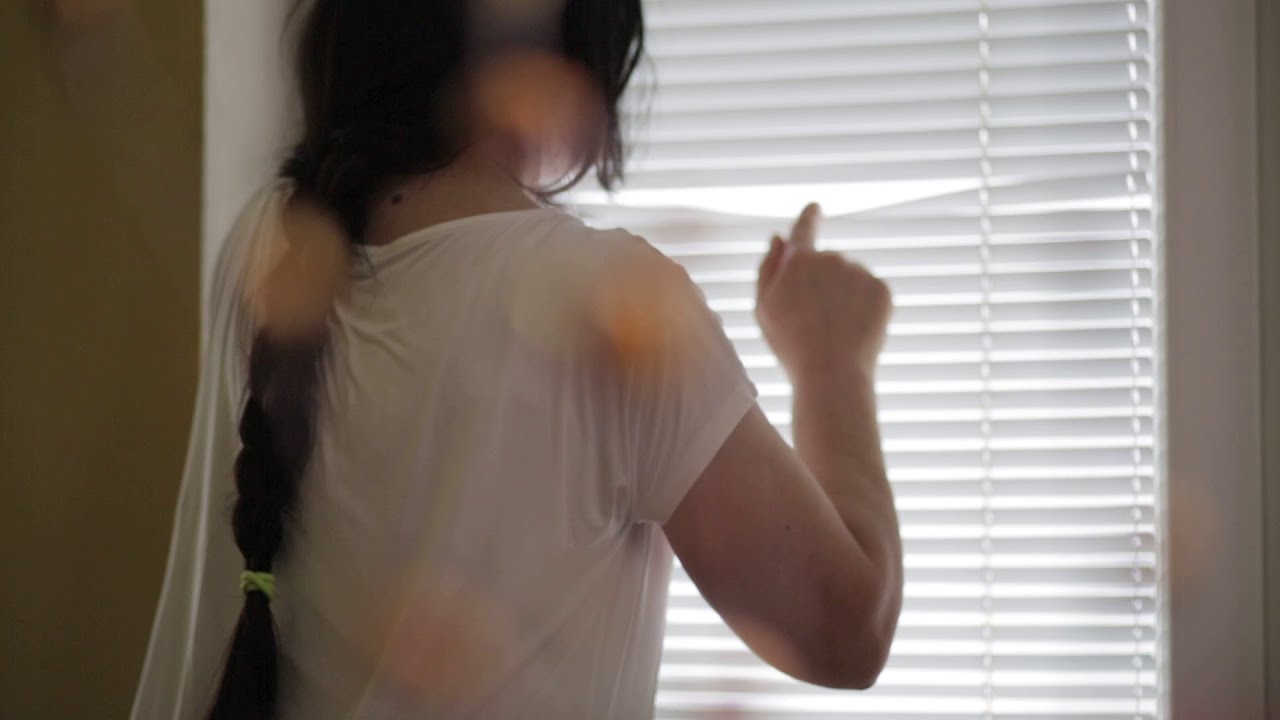
The official Serbia collection was published on 23 September 2016 and identifies the filming year as 2015. Its four films cover young professionals, youth opportunities, women’s participation and support for people experiencing domestic violence.
A format that carried on
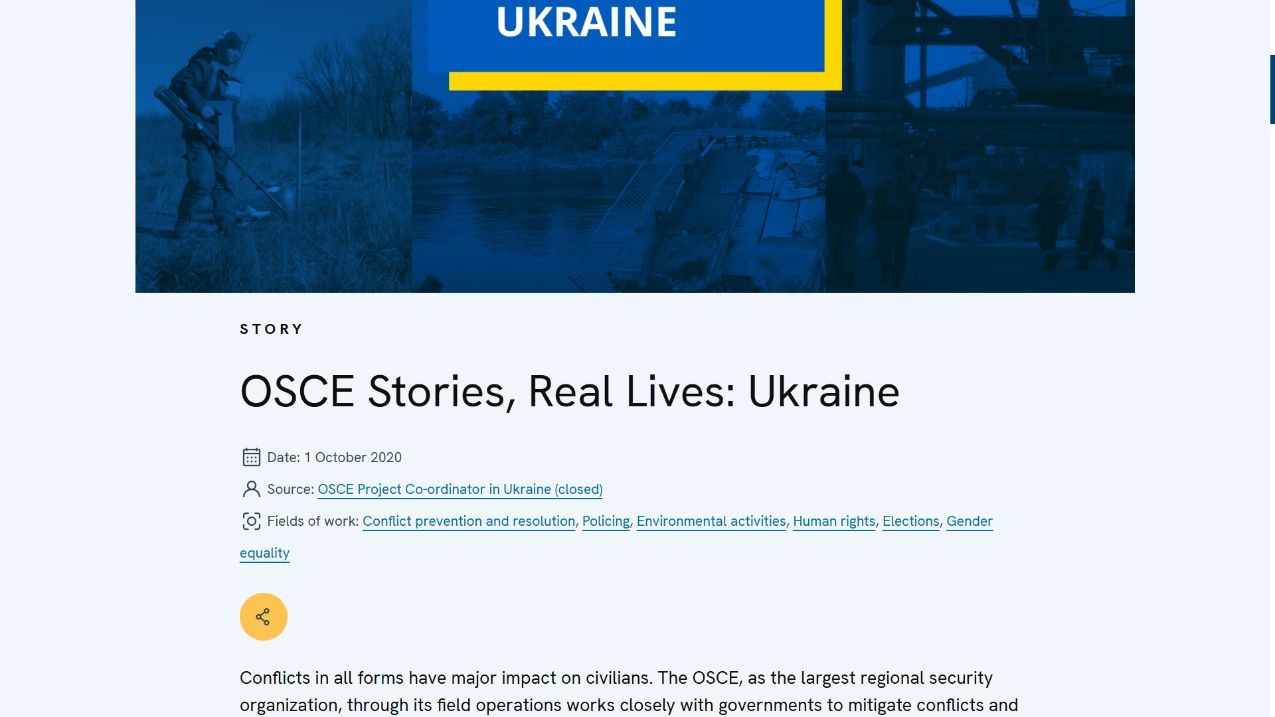
The OSCE was still publishing under the Stories, Real Lives name in Ukraine in 2020, after I had left. For me, that is a useful sign that the format had a life beyond the initial project.
The later Ukraine films are the work of subsequent OSCE teams. I include that collection as the continuation of an approach I helped establish, rather than as films I produced.