The journey in eight photographs
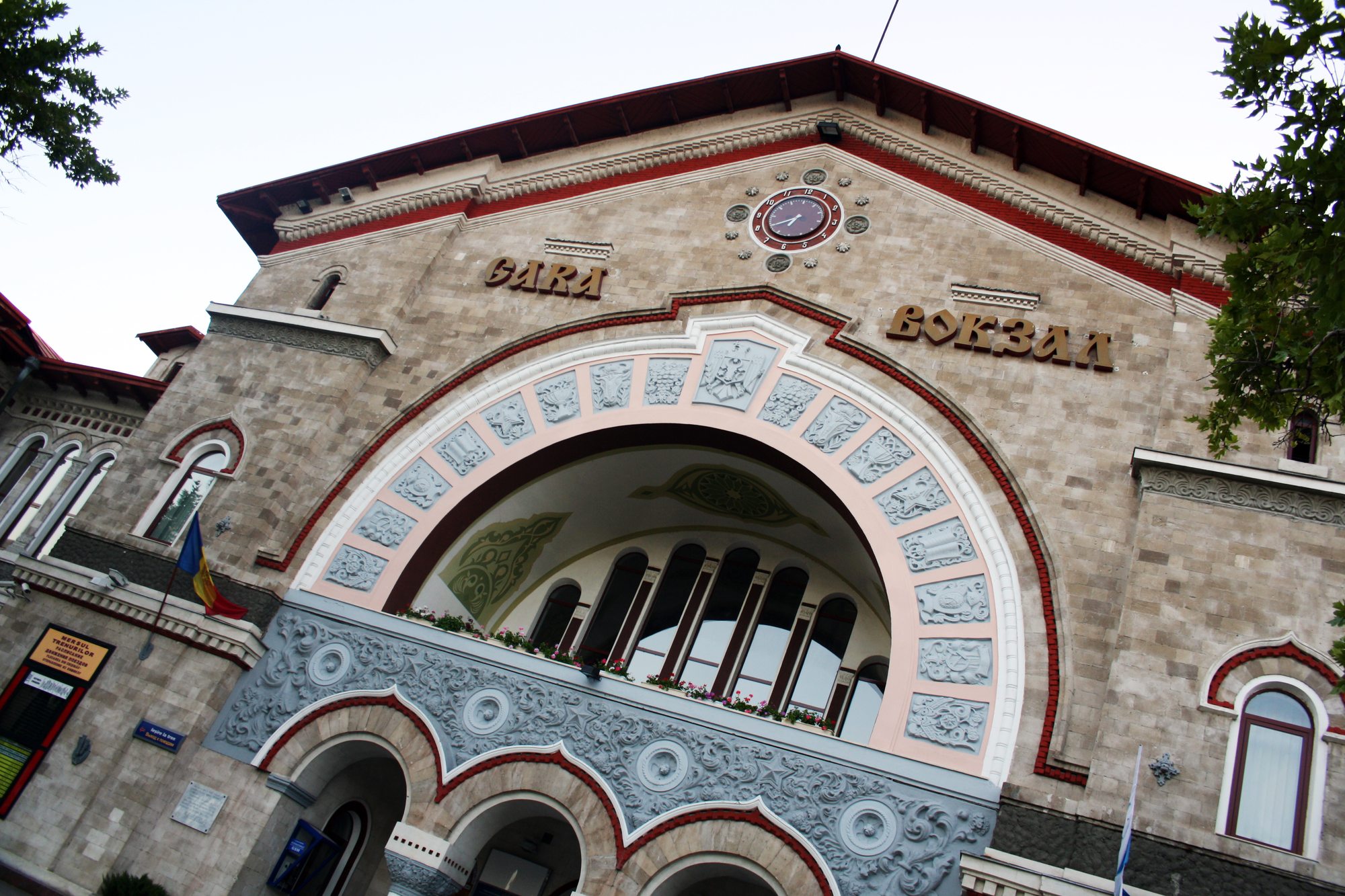
Chişinău Railway Station in the Moldovan capital provides the starting point for the 180km journey to Odessa – which passes through the heart of the Transdniestrian region. The region saw intense fighting in 1992, following the breakup of the Soviet Union, over control of the area mostly situated between the left bank of the Dniestr/Nistru River and the border with Ukraine.
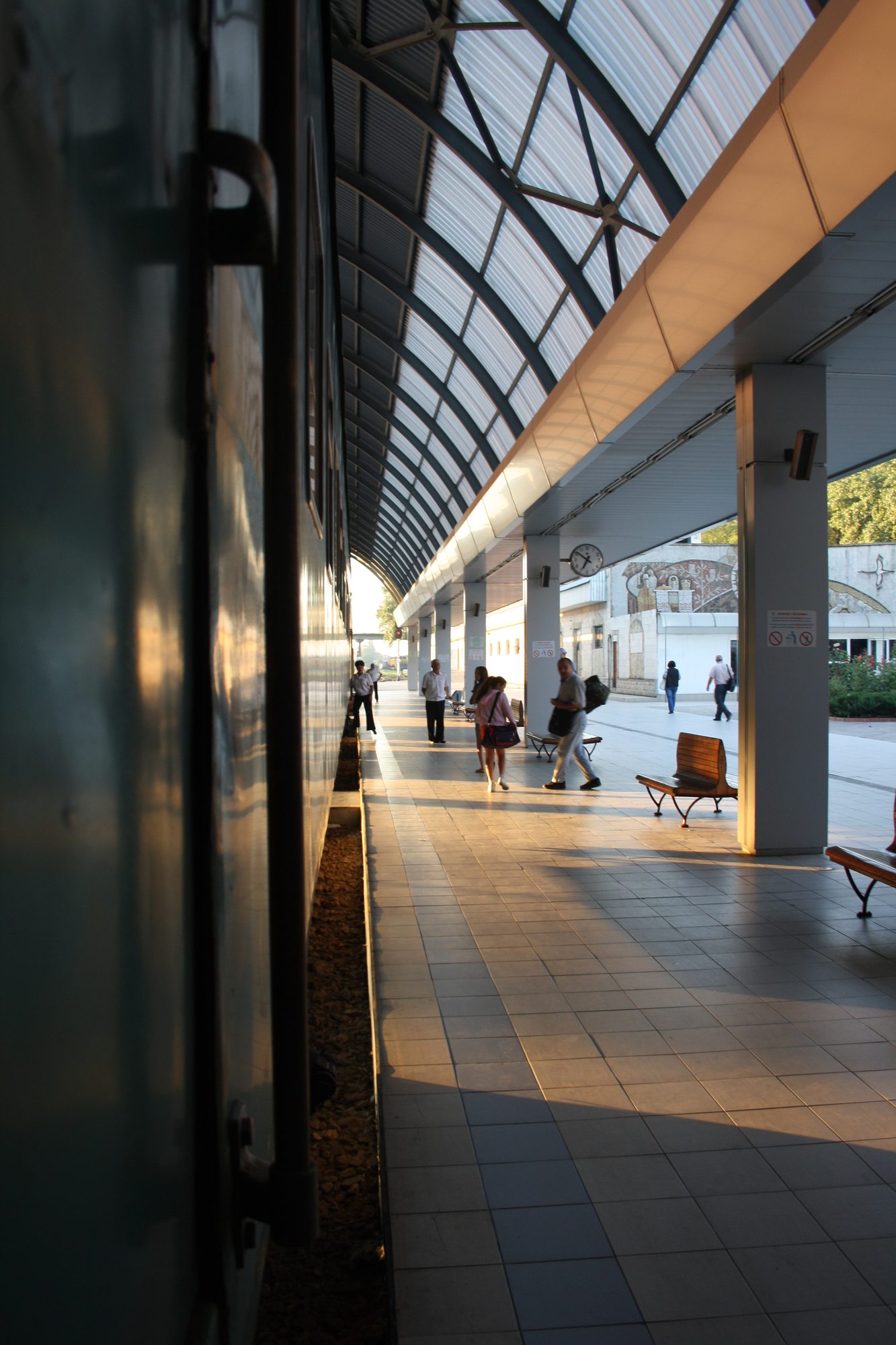
Political tensions forced the closure of the service in 2006. Public transport was limited to bus services, and trains which diverted around Transdniestria, causing a huge increase in journey time. Tensions between the sides to the conflict have occurred since the 1992 ceasefire, prompting a response from the international community.
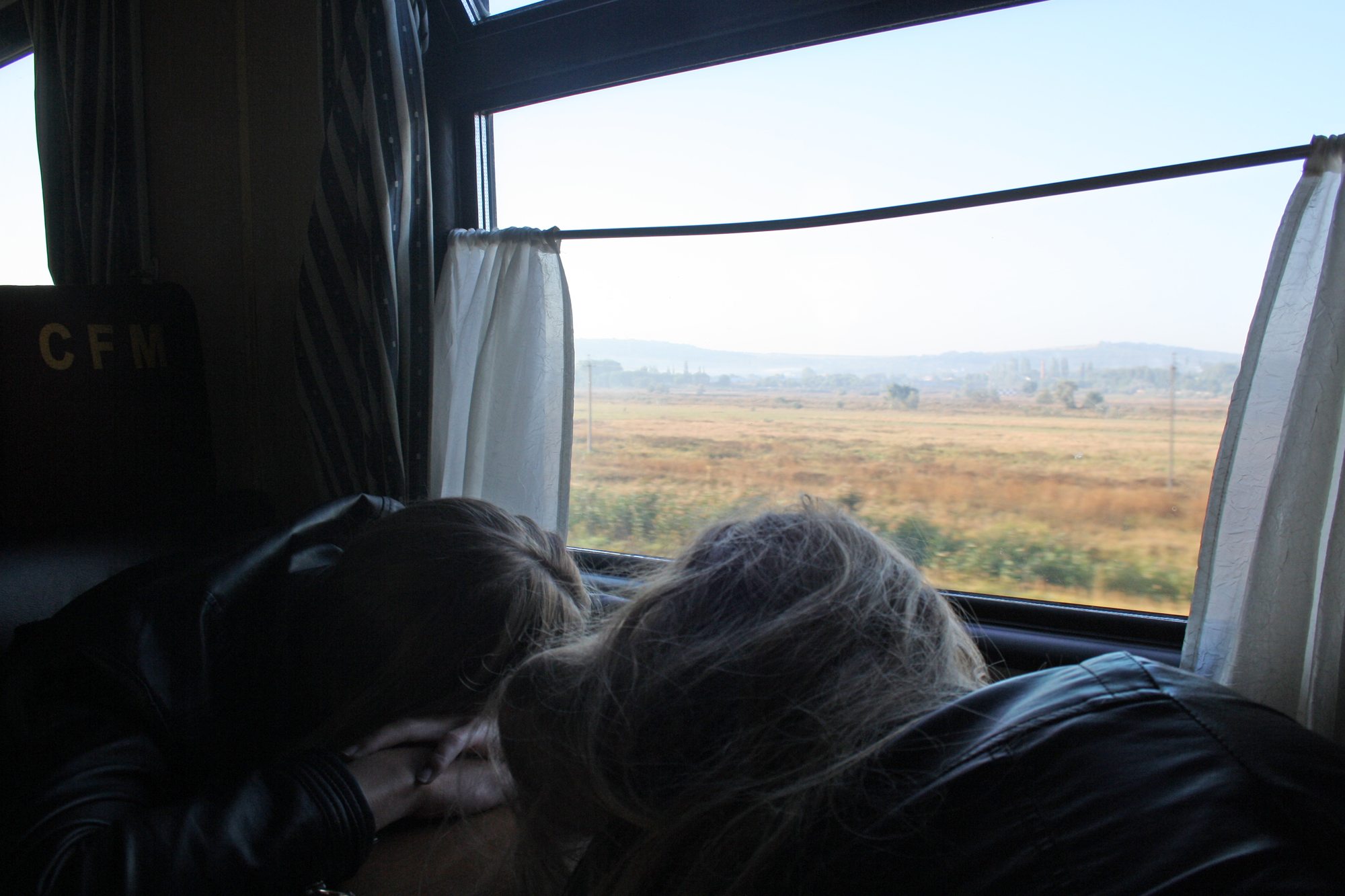
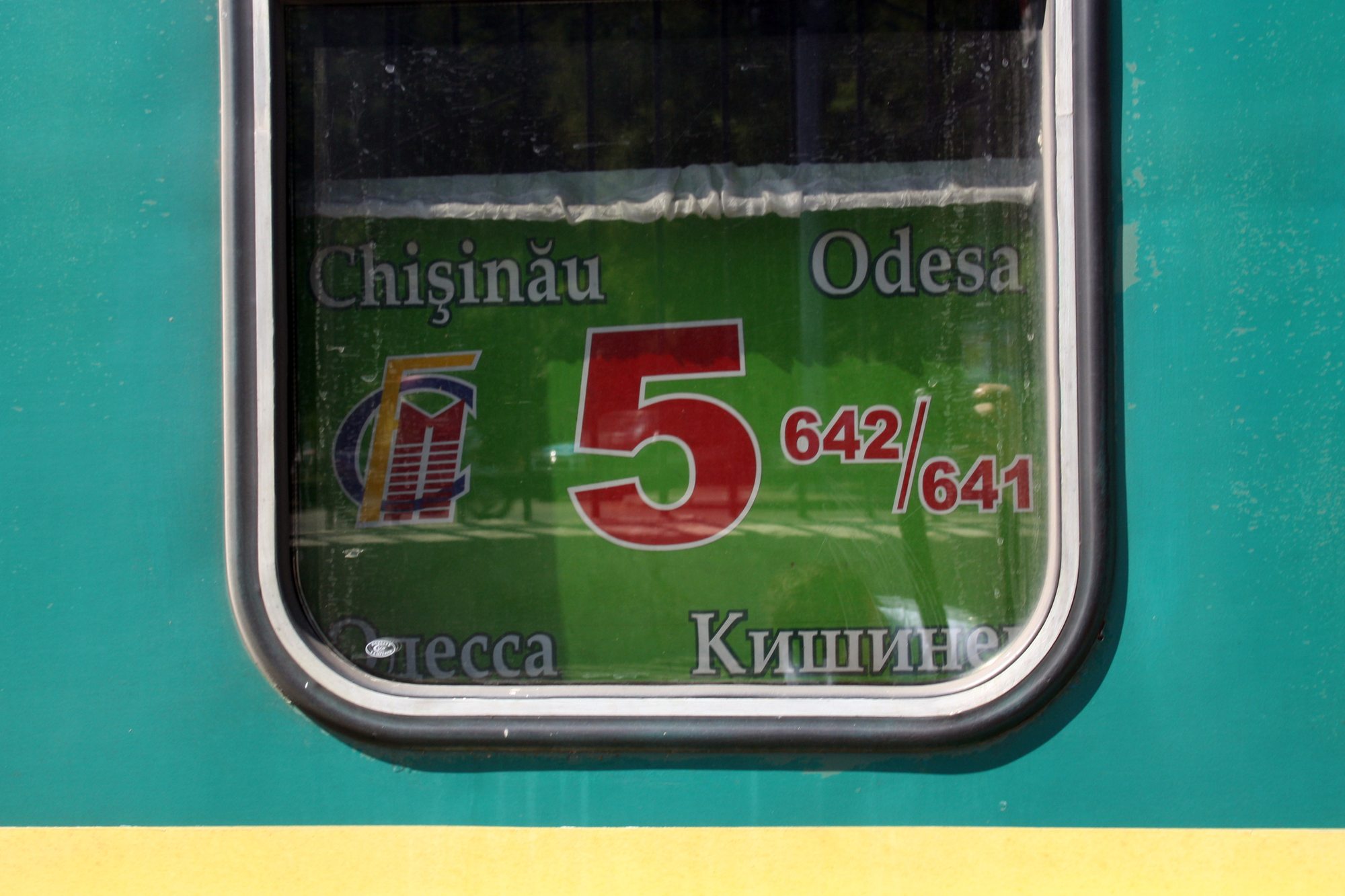
Only one passenger train passes in each direction per day. The 5-hour journey provides travellers with ample time to catch up with some sleep, after the 7.20am start from Chişinău.
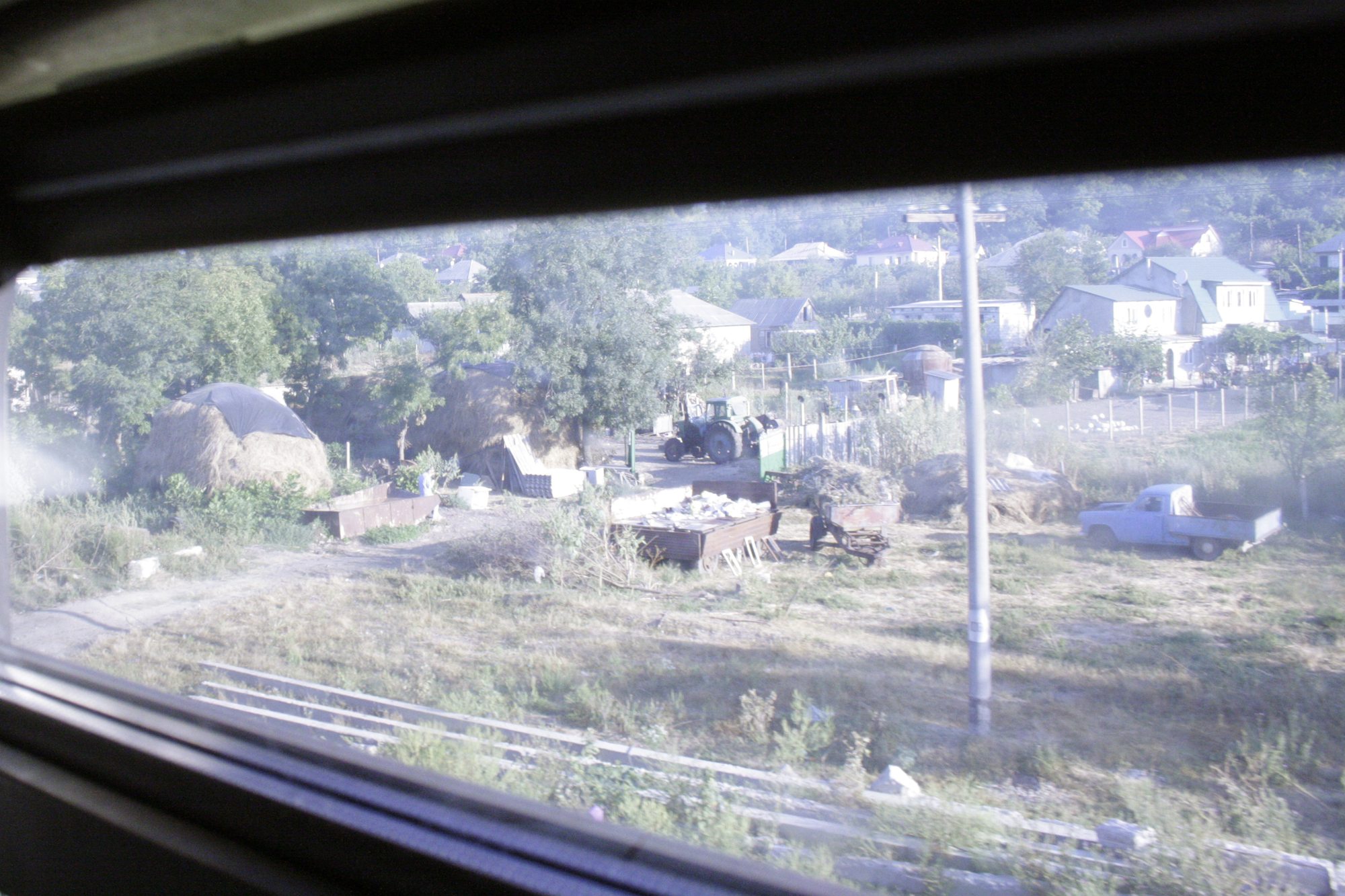
The resumption of the route in October 2010, after a four-year hiatus, was welcomed by the OSCE Mission to Moldova. The mission is mandated to secure a final, comprehensive, and durable settlement of the Transdniestrian conflict.
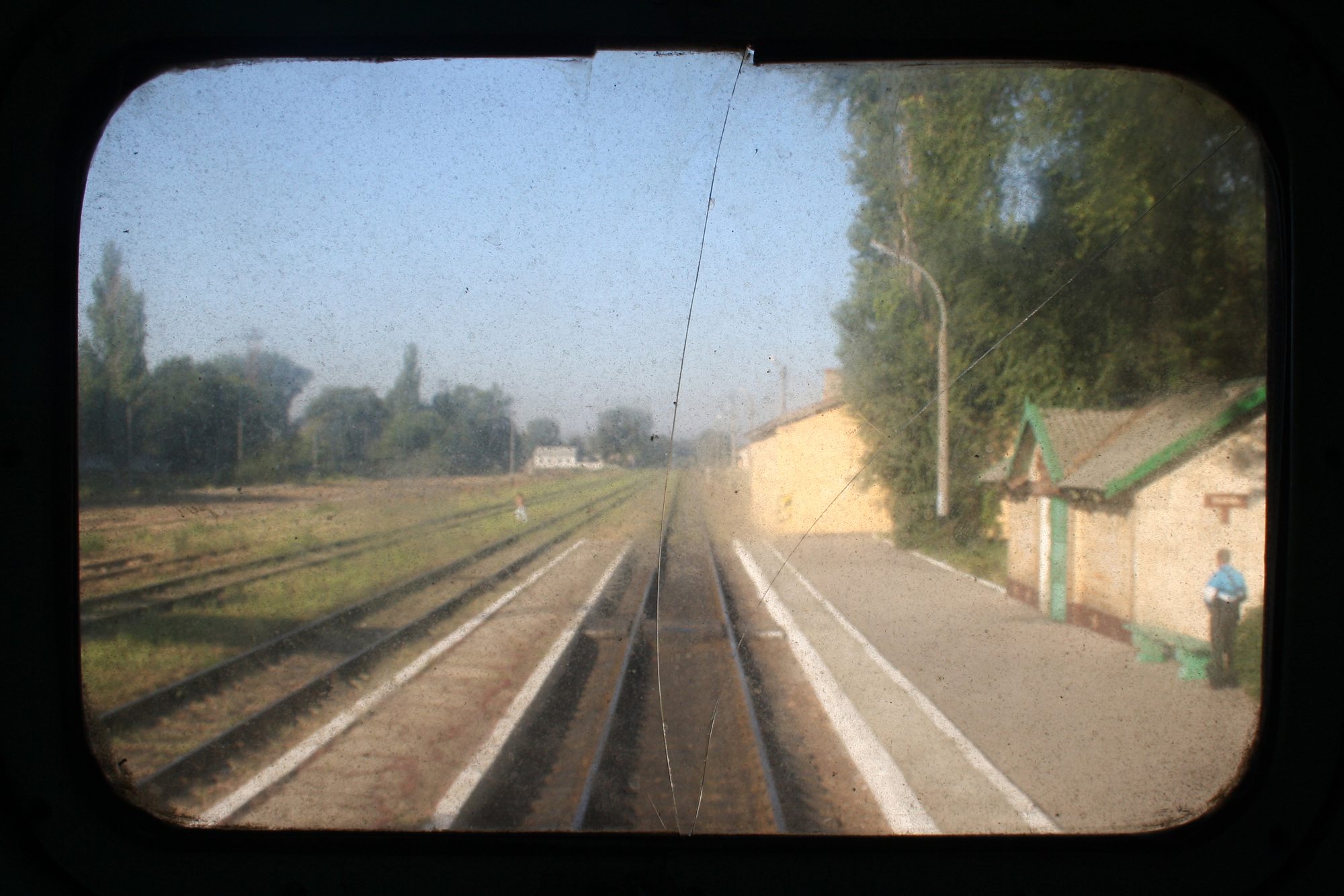
International mediators, including the OSCE, supported the political process by which the route was reopened. Official negotiations have been held in the so-called 5+2 format – with Moldova and Transdniestria as parties to the conflict, the OSCE, Russia and Ukraine as intermediaries, plus the United States and the European Union as observers. The talks have recently resumed on a formal basis, after official negotiations were broken off in 2006.
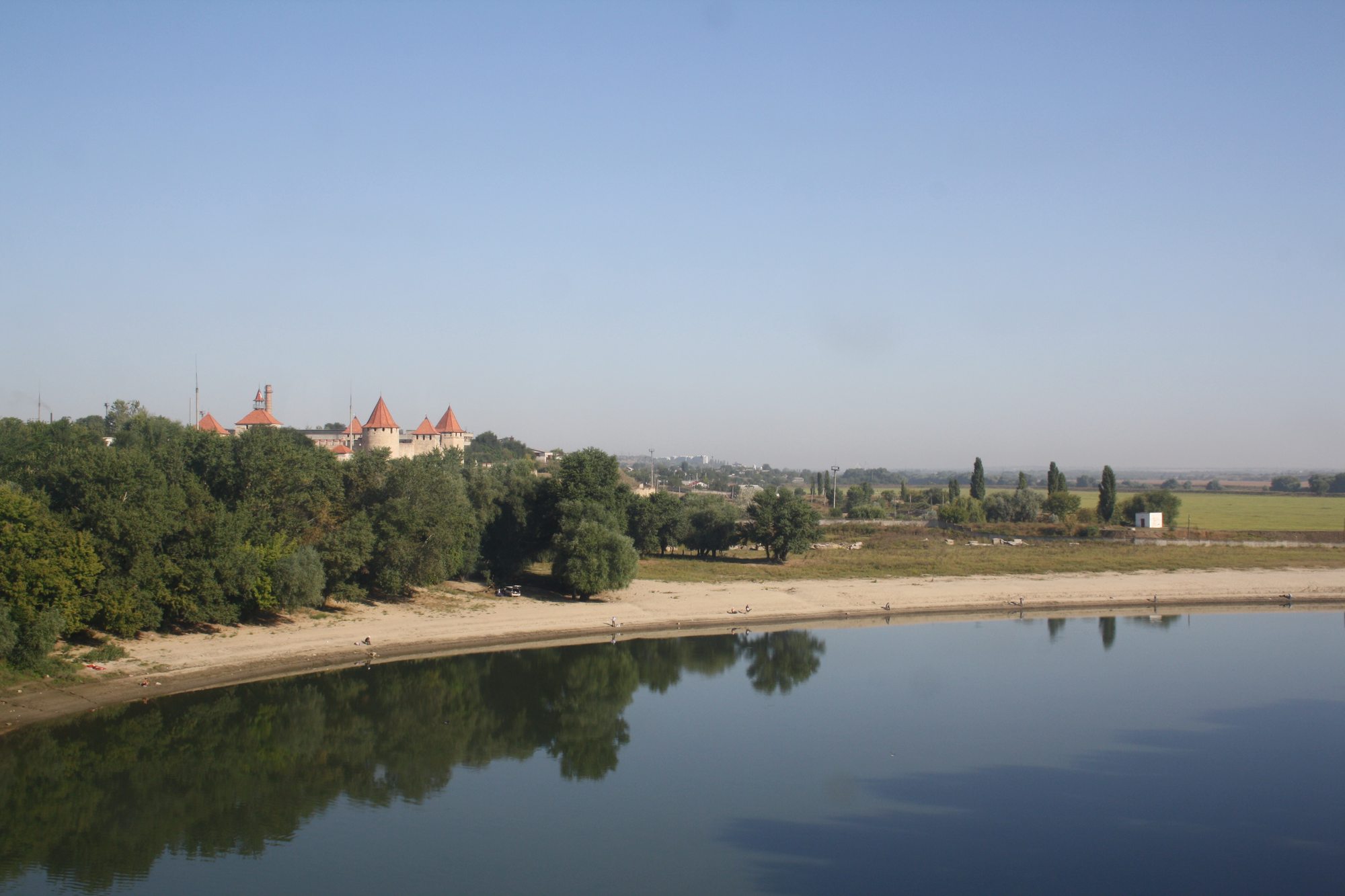
As the train passes over the Dniestr/Nistru River, after a stop in Bender, an Ottoman-era fortress can be seen. Its history includes being used as a refuge by Charles XII of Sweden in the 18th Century. Bender is situated on the right (West) bank of the river in a Security Zone where the ceasefire is supervised by the Joint Control Commission. The OSCE Mission to Moldova takes part as an observer and helps to mediate disputes.
Examples of the Mission’s mediation work include brokering a deal in 2003 for the full withdrawal by the Moldovan and Transdniestrian military of armoured vehicles held by their peacekeeping forces inside the Security Zone. OSCE Mission members observed and verified the withdrawal. The Mission also helped forge agreement in 2006 on allowing Moldovan farmers free access to their land on the Transdniestrian-controlled side.
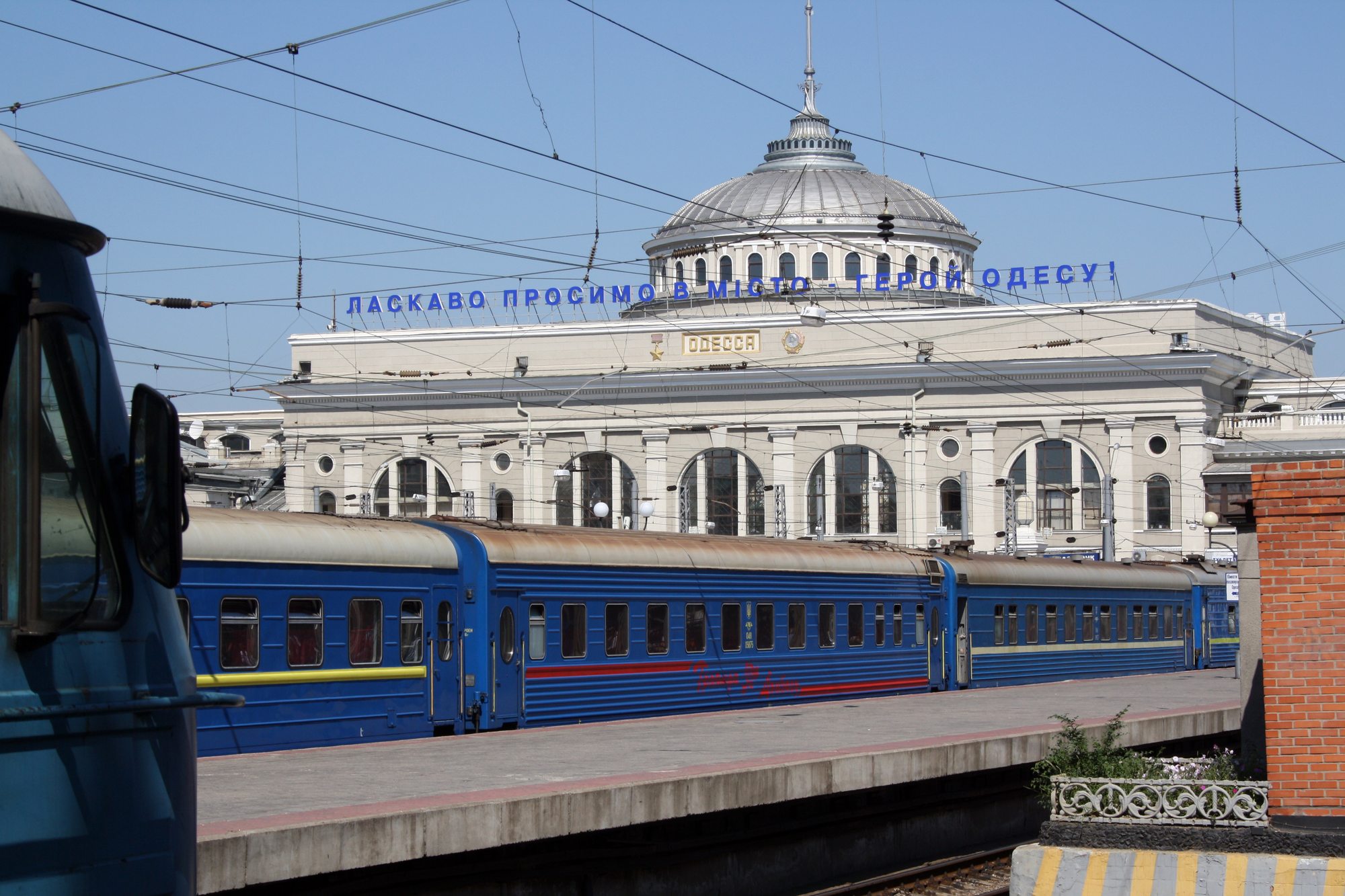
The train pulls into the main station at Odessa, just after midday, and is prepared for the journey back at 5.11pm. The reopening of the route is just one step in a process long supported by the OSCE. Not only does this part of the process make an important difference to the everyday lives of the people who live in the region, it also proves a point – that through dialogue and co-operation, real progress can be made towards a lasting solution for Transdniestria.